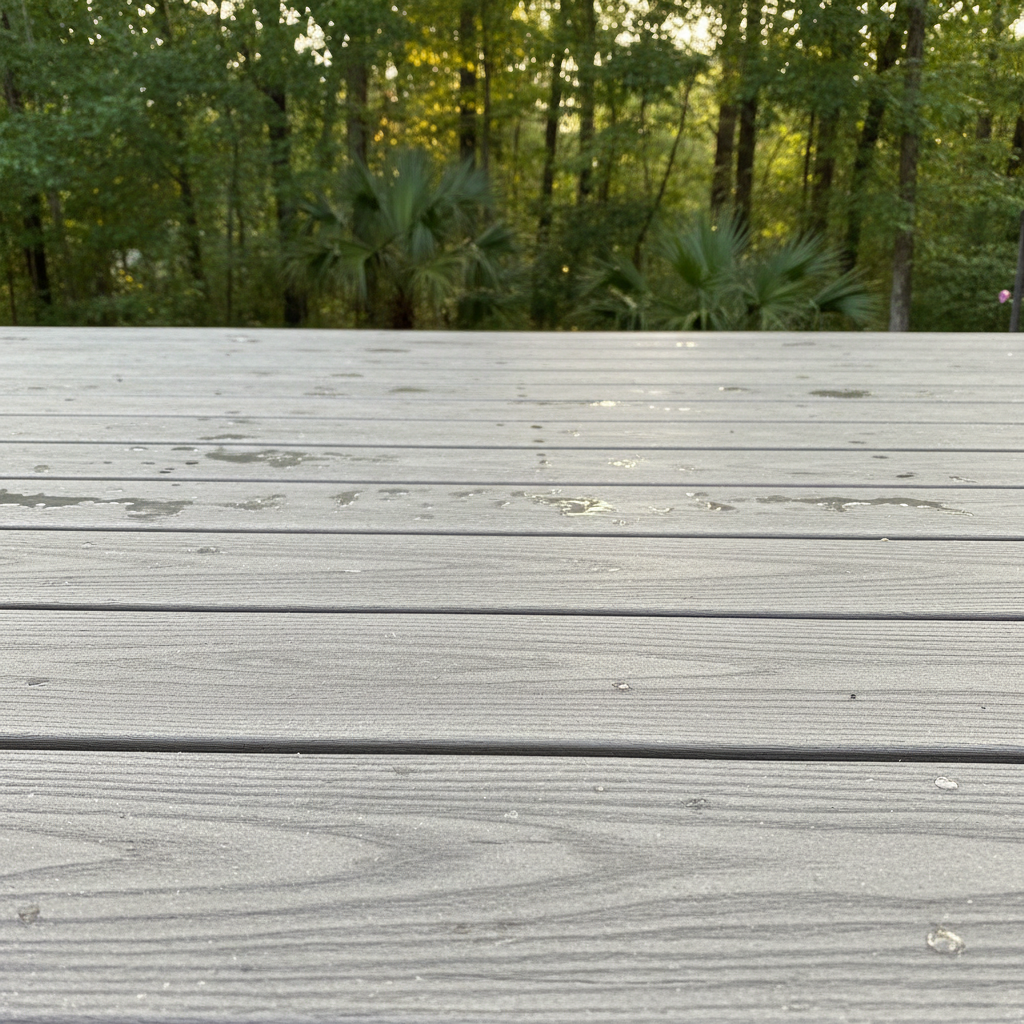
Okay, let's talk about composite decks. You're probably seeing them pop up all over Warner Robins, and honestly, there's a good reason for that. People really like the idea of less upkeep, especially with our Georgia humidity and those sudden summer storms. But before you dive in, there are a few things you really should know.
Before You Start: Planning Your Composite Deck
First off, composite decking isn't just one single material; it's a blend of wood fibers and plastic, sometimes even with a protective cap. This mix makes it really sturdy, resisting rot, warping, and insect damage much better than traditional wood. That's a big win in our local climate, where wood decks can really take a beating from the heat and moisture, which is something most homeowners here experience.
DIY or Pro? Be Honest With Yourself.
Look, I get it. The thought of saving some cash by doing it yourself is pretty appealing. And for some smaller, simpler projects, maybe you can handle it. But building a deck, especially one that's safe and up to code, is often more involved than many folks realize.
- The DIY Dream: If you're tackling a simple, ground-level platform deck, and you've got solid experience with power tools, framing, and understanding local building codes, you *might* be able to pull it off. You'll save on labor costs, no doubt. Just be prepared to rent or buy specific tools, and expect a few unexpected problems to pop up.
- The Pro Path: For anything beyond a basic rectangle, or if your deck is elevated, has stairs, or features a more complex design, you really need a professional. Pros know the ins and outs of local building codes right here in Warner Robins – things like footing depth, joist spacing, and railing requirements, which can be tricky. They'll also handle permits and inspections, taking a huge headache off your plate. Plus, the work gets done right, and often much faster than you could do it yourself. A professional installation often comes with warranties too, giving you a bit more peace of mind. We at Midway Deck Solutions, for example, are quite familiar with all the local regulations, and that's not a small thing.
Composite decking itself can be more expensive upfront than pressure-treated pine, but it generally saves you money over time because you won't be staining, sealing, or replacing boards as often. So, make sure you factor that into your decision.
Permits and Planning
This isn't optional, folks. You will need a permit from the City of Warner Robins Building Inspections Department for a new deck. They enforce Georgia's minimum standard codes, and for good reason. Don't try to skip this step; it can lead to fines or even having to tear your deck down later. A good contractor will handle all this paperwork for you.
During the Project: Installation Insights
Whether you're doing it yourself or watching the pros, here's what's happening behind the scenes:
Substructure is Key
Composite boards need a really solid foundation. While composite itself is tough, the substructure is typically still wood, and it needs to be built to last. Joist spacing is important; some composite boards require tighter spacing than traditional wood, especially if you're running them diagonally. If the substructure isn't sound, even the best composite boards will eventually sag or warp – nobody wants that.
Fasteners and Spacing
Most composite decks use hidden fastener systems, which give you that clean, smooth look. These clips make sure there's consistent spacing between boards. Proper spacing is important not just for how it looks, but also because composite materials can expand and contract with temperature changes. You definitely don't want boards buckling because they're too tight, especially with our hot summers here in Georgia.
Watch Out for Heat
One thing some folks don't realize is that composite decking can get pretty hot under direct sunlight, sometimes even hotter than wood. Lighter colors tend to absorb less heat, so that's something to consider in your material choice if you plan on walking barefoot a lot. Why does that matter? Because a scorched foot isn't much fun.
After the Project: Enjoying and Maintaining Your Composite Deck
The biggest selling point of composite is its low maintenance, and honestly, it's true. You won't be sanding, staining, or sealing every year, which is a huge relief for many.
Cleaning is Important
Low maintenance doesn't mean no maintenance at all. You'll still need to clean your composite deck regularly. Here in Warner Robins, with all the pollen, humidity, and occasional mildew, a good cleaning is essential. Mold and mildew can still grow on composite if left unchecked, especially in the grooves where water can sit and collect.
- What to Use: A simple scrub with mild soap and water usually does the trick. You can also find specialized composite deck cleaners that use oxygen bleach technology to safely remove dirt, grease, mold, and algae without harming nearby plants. Just stay away from chlorine bleach; it can damage the material and surrounding vegetation.
- How Often: An occasional sweep and a rinse with a garden hose can keep it looking good day-to-day. For deeper cleaning, especially after pollen season or if you notice mildew, a good scrub is needed. You can use a pressure washer, but be careful with the setting – too high and the surface can be damaged.
Inspections and Repairs
Even though composite is tough, it's a good idea to do a quick visual inspection every now and then. Check for any loose fasteners, signs of wear, or anything that looks out of place. While composite resists warping and shrinking better than wood, extreme temperature swings can still cause some movement. If you spot any issues, it's usually best to call in a professional to assess and repair it properly.
A composite deck is a fantastic investment for your Warner Robins home, giving you a beautiful outdoor space with less upkeep. Just make sure you go into it with your eyes open, whether you're building it yourself or bringing in the experts from Midway Deck Solutions.