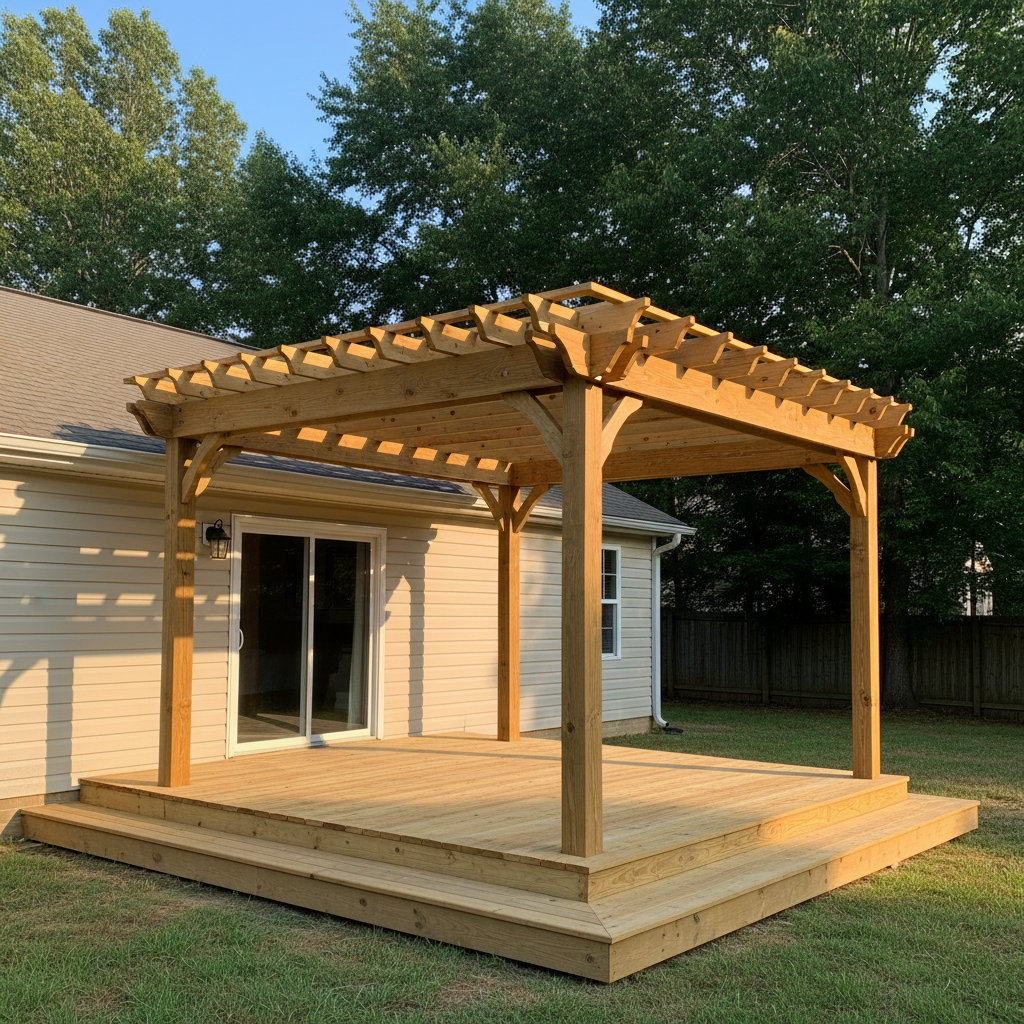
A pergola can totally change your backyard, giving you shade, style, and a really nice spot to kick back. But before you start dreaming about that first outdoor dinner party, you're probably asking yourself, "What's this actually going to cost?" It's a fair question, and honestly, a lot of folks in this business don't give you straight answers. I'm going to try and change that.
What Makes Pergola Prices Go Up or Down?
You can't just slap one price tag on every pergola. So many different things can push the cost higher or bring it down. Think of it like buying a car: you can grab a basic sedan or a fully loaded SUV. Both are cars, sure, but the price difference is massive, right?
- Size: This is probably the biggest factor. An 8x8 foot pergola will be way cheaper than a sprawling 20x15 foot one. More materials, more labor, more money — simple as that.
- Material: This is a huge one. Pressure-treated pine is your most budget-friendly choice. It's tough, but you'll need to seal or paint it regularly. Cedar or redwood? They're beautiful, naturally resist rot, and look fantastic, but they'll definitely cost you more. Vinyl or composite pergolas are super low-maintenance and can last practically forever, though they usually have the highest upfront price. Aluminum is another good, durable, low-maintenance pick, often landing somewhere in the middle.
- Design Complexity: A simple, four-post, flat-top pergola is pretty straightforward. Start adding intricate lattice work, curved beams, custom decorative ends, or a fancy louvered roof system, and you're piling on labor and material costs.
- Foundation/Anchoring: Is it going onto an existing concrete patio? Great, that's usually easier. Is it going into the ground? We'll need to dig footings and pour concrete, which adds time and material. If your yard has a slope or that really hard red clay we see so much of around Warner Robins, that can make things tricky and add to the labor bill.
- Site Prep: Do we need to clear out bushes, level the ground, or move irrigation lines? That's extra work, no two ways about it.
- Features: Want built-in lighting, a fan, retractable shades, or a privacy screen? Each one of those adds to the final bill.
- Permits: Depending on how big or complex your project is, you might need a building permit from the city or county. This isn't usually a huge cost, but it's something to keep in mind.
Typical Cost Ranges Here in Warner Robins, GA
Alright, let's get down to some actual numbers. Remember, these are just averages, and your specific project could be a bit higher or lower.
- Basic Pressure-Treated Pine (8x8 to 10x10 ft): You're probably looking at $2,500 - $5,000. This covers a pretty standard, no-frills design, installed.
- Mid-Range Cedar or Redwood (10x12 to 12x14 ft): Expect to pay around $5,000 - $10,000. This gets you a nicer material, maybe some slightly more decorative bits.
- Vinyl, Composite, or Aluminum (12x16 ft and up, or custom designs): These can run anywhere from $8,000 - $15,000+. If you're going big, custom, or adding a lot of features like a louvered roof, you could easily hit $20,000 or more.
Remember, these numbers include materials, labor, and usually a standard installation. If someone quotes you something drastically lower than these ranges, be very, very skeptical. There's usually a reason, and it's rarely a good one, believe me.
What Should a Quote Include?
When you get a quote from a good contractor like Midway Deck Solutions, it should be clear and detailed. Here's what you should expect to see:
- Detailed Material List: What kind of wood, vinyl, or metal will they use? What fasteners are they putting in?
- Scope of Work: Exactly what's being built, its dimensions, and any specific design elements.
- Labor Costs: How many days they expect to be on site, and what's included in their labor charges.
- Site Preparation: Any clearing, leveling, or foundation work.
- Permit Fees: If applicable, who's responsible for pulling them and what the cost is.
- Warranty Information: What kind of guarantee do they offer on their work?
- Payment Schedule: Typically, a deposit upfront, progress payments, and a final payment once everything's done.
How to Avoid Overpaying (and Headaches)
Nobody wants to get ripped off, especially when you're putting money into your home. Here are my best tips:
- Get Multiple Quotes: Don't just go with the first person you call. Get at least three detailed quotes from different contractors. This helps you compare apples to apples, as they say.
- Check References and Reviews: See what other people in Warner Robins are saying about them. Google reviews, Facebook, even asking for past client contacts — it all helps.
- Verify Licensing and Insurance: This is HUGE. Make sure they're properly licensed and insured. If they're not, and someone gets hurt on your property or there's damage, you could be on the hook for it.
- Don't Focus Only on Price: The cheapest quote isn't always the best value. A slightly higher price from an experienced, reputable builder often means better quality materials, skilled craftsmanship, and a project that actually lasts.
- Ask Questions: If you don't understand something in the quote, ask! A good contractor will take the time to explain it.
- Get Everything in Writing: This isn't just about pergolas; it's about any home improvement project. A clear, signed contract protects both you and the builder.
Building a pergola is a great investment in your outdoor living space. Do your homework, ask the right questions, and you'll end up with a beautiful addition you'll enjoy for years to come.